

5 Game-Day Hacks Every Hockey Parent Needs to Know
September 09, 2025
5 min
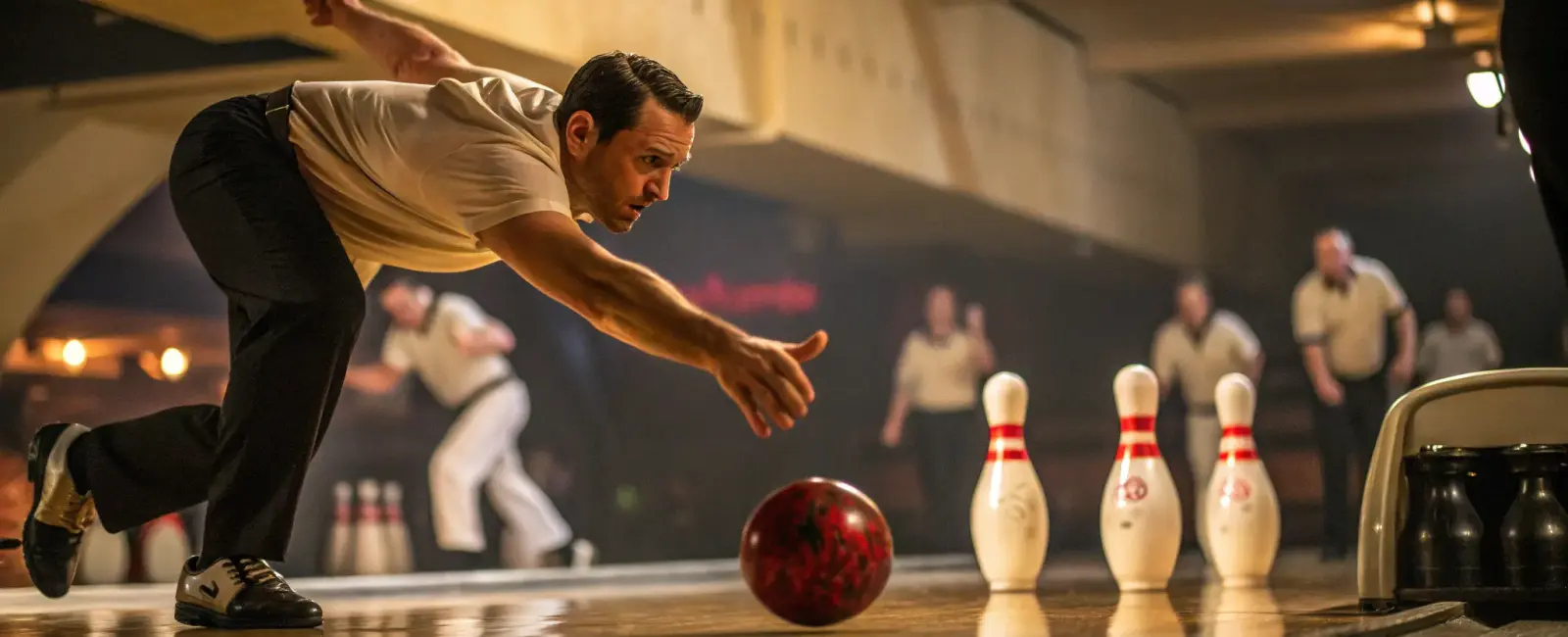
Converting the 7-10 split isn’t just about throwing a ball and praying. It’s about defying the laws of physics while staring down a near-statistical impossibility. For decades, this split—where the two corner pins stand isolated like stubborn sentries—was treated as a cruel joke by the bowling gods. Then came Pete Weber, a man who didn’t just attempt the impossible but turned it into a repeatable trick shot. His four career conversions didn’t just rewrite record books; they handed bowlers a playbook for rethinking technique, pressure, and the very idea of “unmakeable” shots.
To appreciate Weber’s feat, you need to dissect why the 7-10 is bowling’s version of threading a needle during an earthquake. When only the 7 and 10 pins remain, there’s no pin-to-pin collision to create a domino effect. Success hinges on three factors most bowlers overlook:
Actionable takeaway: Film your spare attempts. If you’re consistently missing splits, analyze whether your ball is deflecting or driving through pins. Adjust your starting position by 2-3 boards to fine-tune entry angles.
Weber’s legacy isn’t just about strikes; it’s about thriving when the stakes crush most athletes. Take the 1991 U.S. Open: after clinching the title, he famously dropped the trophy on live TV, shattering it. His response? A shrug and a grin. That moment encapsulates his mindset—treating mishaps as footnotes, not defining moments.
For young athletes, this mental framework matters more than perfect form. Studies of Weber’s televised matches reveal a pattern:
Actionable takeaway: Simulate pressure. Practice game-winning shots after conditioning drills when fatigued. Train your brain to perform when exhausted.
Weber’s 7-10 conversions weren’t flukes; they were prototypes. Today’s pros use technology to dissect his approach:
Actionable takeaway: Use free apps like BowlingTracker to log spare attempts. Look for patterns—do you miss splits more on fresh oil or burned lanes? Adjust your arsenal; carry a dedicated spare ball with a plastic coverstock to reduce over/under reaction.
Weber’s 37 PBA titles and 10 majors are staggering, but his real gift was making the inconceivable feel intentional. When young bowlers film themselves attempting 7-10 splits today, they’re not chasing glory—they’re internalizing that “impossible” is a temporary label.
Final thought: Next time you face a split, ask: Am I throwing to make it, or just to avoid looking bad? Weber’s genius was always choosing the former. That shift in intent—not just technique—is what turns garage lane dreamers into legends.

Free Tools